Hernia care in the UAE
Page Content
Laparoscopic or open repair: what has actually changed?
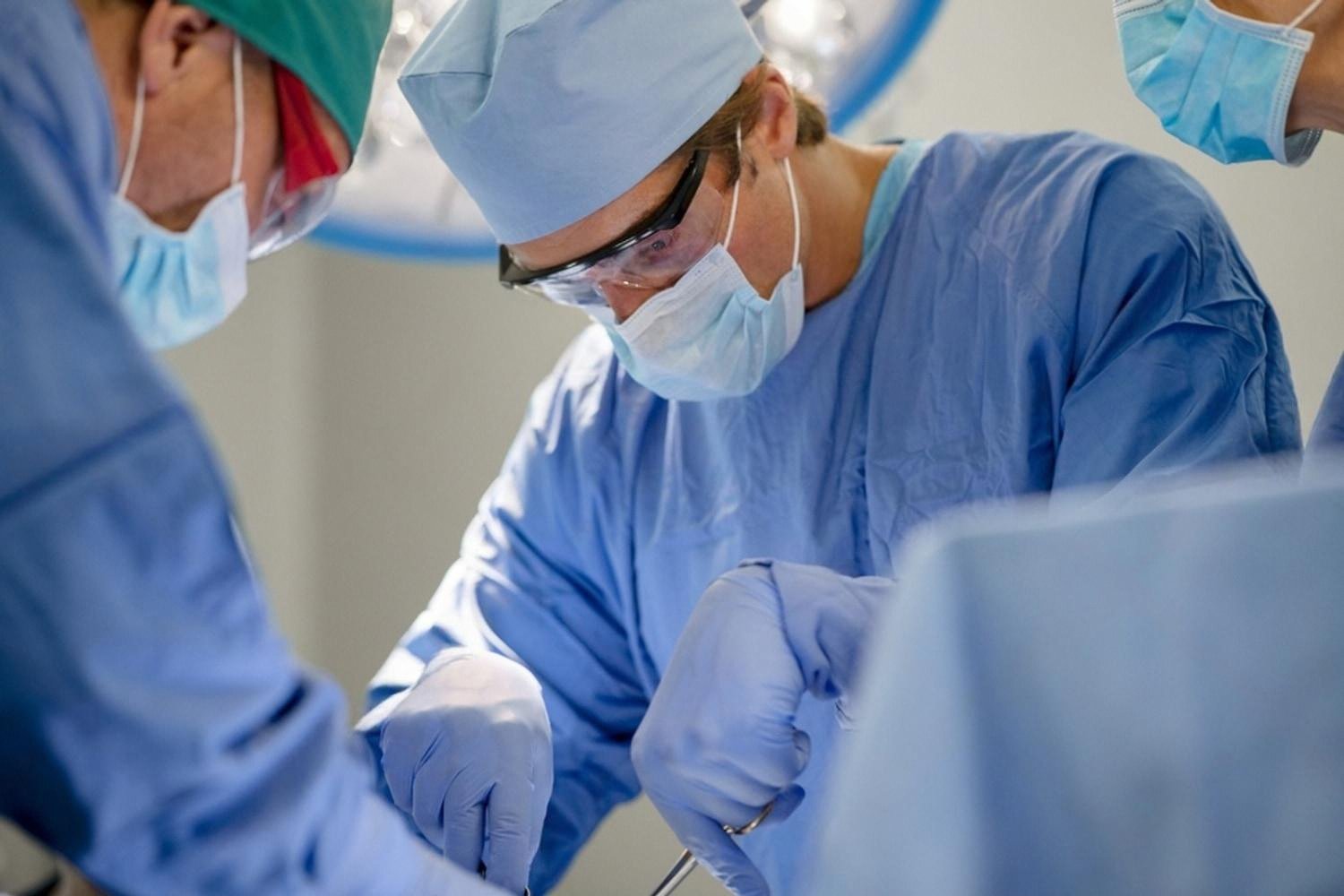
Hernia surgery in the UAE has shifted quickly over the past decade. Ten years ago, most patients in Dubai and Abu Dhabi walked into a clinic expecting a long incision, a week in hospital, and a month off work. Today, keyhole techniques, better mesh materials, and enhanced recovery protocols have rewritten what a normal recovery looks like. Both approaches remain safe and effective, but the right choice depends on the type of hernia, the patient, and the surgeon’s honest assessment.
Understanding hernias before you choose a repair
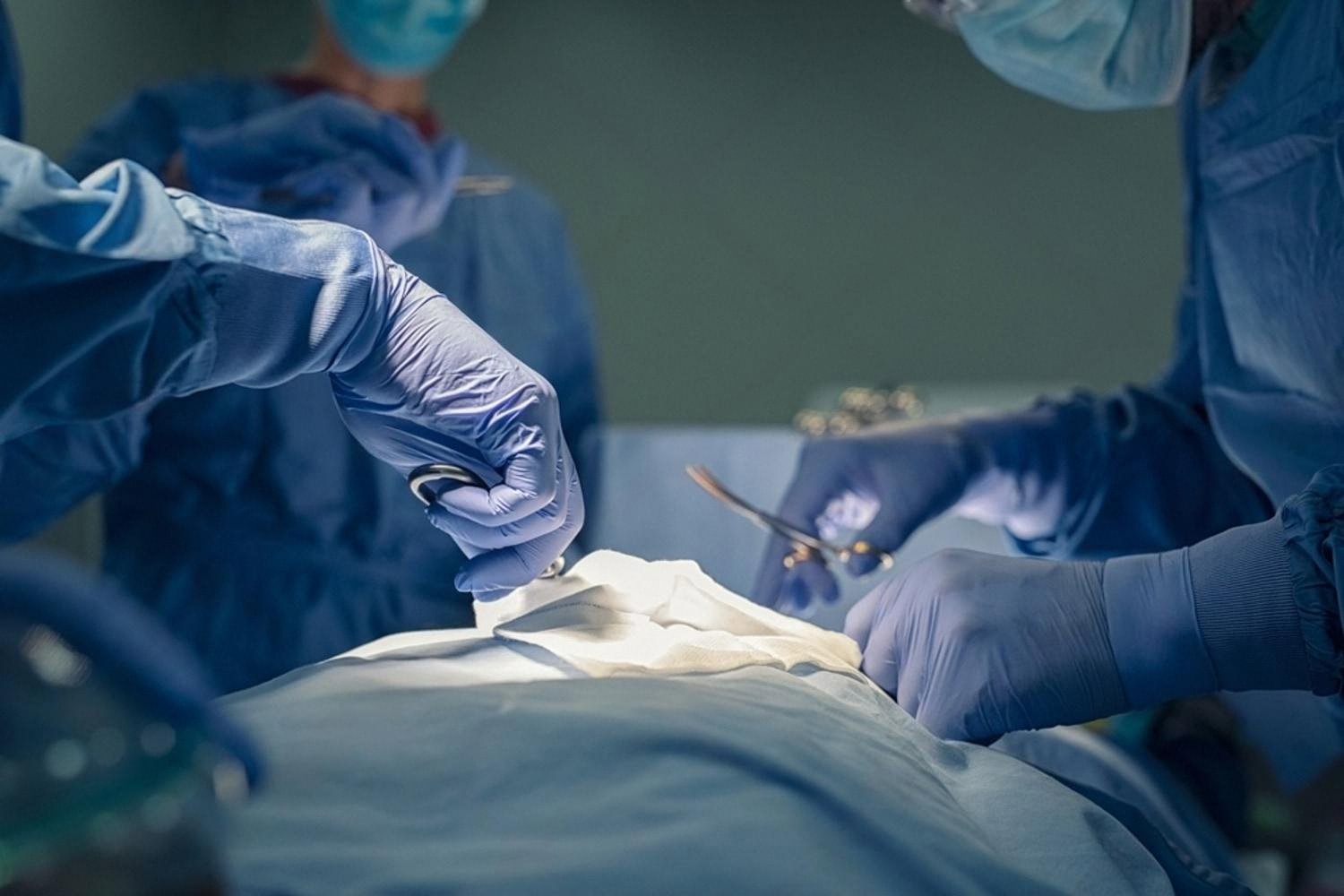
A hernia happens when tissue, usually part of the intestine or fat, pushes through a weak spot in the muscle wall that normally holds it in place. Most people notice a soft bulge that grows when they cough, lift something heavy, or stand for a long time. It may ache, burn, or feel like a dragging sensation in the groin or abdomen.
The common types seen across UAE clinics are:
- Inguinal herniain the groin, by far the most frequent, especially in men.
- Femoral hernialower in the groin, more common in women.
- Umbilical herniaaround the belly button, often seen after pregnancy or weight gain.
- Incisional or ventral herniaat the site of a previous surgical scar.
- Hiatus herniawhere the upper stomach slides through the diaphragm.
Surgery is usually recommended because hernias do not heal on their own. Left alone, they tend to grow, and there is a real risk that trapped tissue loses its blood supply, a strangulated hernia, which turns a planned procedure into an emergency. According to the NHS overview of hernias elective repair is safer and simpler than waiting for complications.

Trend 1
Keyhole repair is now the default for straightforward cases
Across major hospitals in Dubai, Sharjah, and Abu Dhabi, laparoscopic repair has quietly become the first choice for uncomplicated inguinal and small umbilical hernias. The surgeon works through three small ports, usually 5 to 12 mm, guided by a camera, and places a mesh behind the muscle wall.
Patients feel the difference in the first 48 hours: less bruising, lower pain scores, and the ability to walk around the same evening. For selected ventral hernia surgery cases, the same keyhole logic applies, with mesh reinforcement placed under vision rather than through a long midline incision.
Trend 2
Head-to-head: how the two procedures actually compare
- Incision: 6 to 10 cm over the hernia site.
- Anaesthesia: general, spinal, or local.
- Hospital stay: usually 1 to 2 nights.
- Pain: moderate for the first week.
- Return to desk work: 2 to 3 weeks.
- Scar: single visible line.
- Incisions: three small ports, 5 to 12 mm.
- Anaesthesia: general only.
- Hospital stay: often same-day discharge.
- Pain: mild, mostly gone by day 3 to 4.
- Return to desk work: 5 to 10 days.
- Scars: three dots, barely visible after healing.
Trend 3
Why patients keep asking for laparoscopic first
- Smaller scars. Three tiny marks instead of one long line, which matters in a region where beachwear and gym culture are part of daily life.
- Faster recovery. Most people are back to light routines within a week.
- Less postoperative pain. Because the muscle wall is not cut widely, nerves are less disturbed.
- Lower wound infection risk. Small ports heal faster and are less exposed.
- Bilateral fix in one session. Hernias on both sides can often be repaired through the same three ports.
Data from the international literature on inguinal hernia surgery consistently shows lower chronic pain rates at one year for laparoscopic repair in experienced hands.
Trend 4
When open surgery is still the smarter call
Laparoscopy is not automatically better for every patient. A skilled surgeon will recommend open repair when the anatomy or clinical situation calls for it.
Large or complex hernias
Very large incisional or scrotal hernias often need the wider working space that only an open approach gives. Trying to force these through keyhole ports can compromise the repair.
Emergency and strangulated cases
If the bowel is trapped or its blood supply is at risk, open surgery lets the team assess and, if needed, resect damaged tissue quickly.
Previous abdominal surgery
Heavy scar tissue from earlier operations can make safe camera access difficult. Open repair may be gentler on the anatomy.
Certain medical conditions
Severe heart or lung disease can make general anaesthesia risky. Open repair under spinal or local anaesthesia becomes the safer route.
The best hernia operation is the one your surgeon does most often, done well, on the right patient. The technique is a tool, not a trophy.
What recovery actually looks like
Timeline
Numbers vary by patient, but the pattern is predictable. Expect the first two days to be the most uncomfortable, followed by steady daily improvement.
- Days 1 to 3: walking short distances at home, simple painkillers, light meals.
- Week 1: most desk-based tasks are manageable after laparoscopic repair.
- Week 2 to 3: driving is usually safe once you can perform an emergency stop without flinching.
- Week 3 to 4: return to office work for open repair, gentle gym cardio for laparoscopic patients.
- Week 6: heavy lifting, contact sports, and abdominal training can restart with clearance.
Follow-up in the UAE is typically at 10 to 14 days for wound review, then again at 4 to 6 weeks. Most surgeons will ask you to report any new bulge, fever, or persistent pain immediately.
So, which one is better?
Neither approach wins on paper alone. For a fit adult with a first-time inguinal or small umbilical hernia, laparoscopic repair usually gives the smoothest experience: less pain, quicker return to work, and a cosmetic result that most patients prefer. For a large incisional hernia, an emergency presentation, or a patient with significant heart or lung disease, open surgery is often the safer, more definitive option.
The honest answer any good UAE surgeon will give is this: bring the imaging, describe your daily life and work demands, and let the operative plan follow the anatomy. A well-done open repair beats a rushed laparoscopic one, every time.
Frequently asked questions
Is laparoscopic hernia surgery safer than open surgery?
Both are considered safe when performed by an experienced surgeon. Laparoscopic repair has lower wound infection rates and less postoperative pain, but it requires general anaesthesia and specific expertise. For a routine inguinal hernia in a healthy adult, the safety profiles are very close, and the choice comes down to anatomy and surgeon experience.
Does laparoscopic repair reduce the risk of recurrence?
When performed by a high-volume surgeon using mesh, recurrence rates for laparoscopic and open repair are broadly similar, both typically under 5%. The bigger factor is surgeon experience and correct mesh placement, not the technique itself. Poorly performed keyhole surgery can actually have higher recurrence than a solid open repair.
Is laparoscopic hernia surgery more expensive in the UAE?
Yes, usually. Laparoscopic repair uses disposable ports, specialised mesh, and longer theatre setup, so the sticker price is higher than open repair. However, shorter hospital stay and faster return to work often offset part of that difference. Most UAE insurance plans cover both, though the exact co-pay varies, always confirm with your insurer before booking.
Who is not a good candidate for laparoscopic repair?
Patients with severe heart or lung disease who cannot tolerate general anaesthesia, those with extensive prior abdominal surgery and heavy adhesions, patients with very large or strangulated hernias, and some pregnant patients are usually better served by open repair. Your surgeon will decide after examination and imaging.
Which procedure has the quickest recovery?
Laparoscopic repair typically wins on early recovery. Most patients return to desk work within 5 to 10 days and to the gym within 3 to 4 weeks. Open repair recovery is longer, usually 2 to 3 weeks off work and around 6 weeks before heavy lifting.
Will I have visible scars after hernia surgery?
Open surgery leaves one scar of roughly 6 to 10 cm, which fades over 6 to 12 months but stays visible. Laparoscopic surgery leaves three small marks of 5 to 12 mm each, which usually become barely noticeable within a year. Skin type and healing genetics play a role in the final appearance.
When can I fly after hernia surgery in the UAE?
Short regional flights are usually safe after 5 to 7 days for laparoscopic repair and 10 to 14 days for open repair, provided there are no complications. Long-haul travel is better delayed until the 2 to 3 week mark. Always get written clearance from your surgeon before booking, especially for connecting flights.
Recent Comments