UAE climate and paint
Page Content
The harshest place on earth to keep a car looking new
Ask any detailer in Dubai or Abu Dhabi and you will hear the same complaint: paint here ages in dog years. A three-year-old car in the UAE often looks like a seven-year-old car in Germany. That is not marketing talk, it is chemistry. The Emirates stack up almost every stressor that damages automotive clear coat at the same time: extreme UV, thermal shock, airborne silica, salty humidity, and sudden acidic contamination from bird droppings and construction dust.
This article breaks down what the sun and sand are actually doing to your paint at a microscopic level, which colours suffer most, and what a rational five-year protection budget looks like for different types of vehicles in the Emirates.
UAE climate by the numbers
Data
The National Center of Meteorology records summer air temperatures that routinely sit between 42°C and 48°C from June to September, with humidity along the coast climbing above 90% overnight. Inland, sandstorms cut visibility several times a year and dump abrasive silica particles onto every parked surface.
- UV Index: peaks at 11+ (extreme) for roughly 5 months a year, per EPA UV scale classification.
- Air temperature: 45°C+ typical afternoon highs June to August.
- Parked car surface temperature: dark panels can exceed 80°C in direct sun, per NASA thermal imaging of parked vehicles.
- Humidity: 60 to 95% overnight in coastal Dubai, Sharjah and Abu Dhabi.
- Sandstorm days: 15 to 25 per year on average in the interior.
- Salt aerosol: measurable within 5 km of the coast, everywhere most of the population lives.
What actually happens to your paint
Modern automotive paint is a stack: primer, colour coat, and a clear coat of acrylic or polyurethane resin. That clear layer is the sacrificial shield. Every failure mode you see on a UAE car starts with it losing integrity.
UV photons break polymer chains in the clear coat, a process called photo-oxidation. Once the resin oxidises, it turns hazy, then chalky, then porous. Water and contaminants reach the pigment underneath, and colour fades, especially reds and dark metallics. On top of that, panels expand and contract by tens of microns each day between air-conditioned garages and 80°C parking lots. That thermal cycling creates micro-cracks. Sand grains blowing at 40 km/h find those cracks and abrade the surface further. Bird droppings and tree sap sit at pH extremes that etch permanently within hours in the summer sun.
How different paint colours react
Black and dark metallics
Absorb the most heat, hit surface temperatures above 80°C, and show every swirl mark. Fade slowly but suffer worst from thermal micro-cracking.
White and silver
Reflect heat well, hide dust and light scratches. Clear coat still oxidises but the visible damage arrives years later.
Red, matte and special finishes
Red pigments fade first under UV. Matte clear coats cannot be polished, so any etching or water spot is permanent, a serious problem in coastal humidity.
Protection options compared
Pros of active protection
- Blocks UV before it reaches the clear coat
- Absorbs rock and sand impacts (PPF)
- Repels bird droppings and sap so damage is a wipe, not an etch
- Keeps resale value higher after 3 to 5 years
- Reduces washing frequency, saving water and time
Cons of doing nothing
- Clear coat failure typically visible by year 3 to 4 in the UAE
- Full respray on a mid-size sedan costs AED 8,000 to 15,000
- Fading is uneven, so partial repaints never match
- Resale hit of 10 to 20% for visibly tired paint
- Etched water spots from summer humidity cannot be polished out of matte finishes
Tip 1: match the protection to how you actually drive
There is no universal answer. A weekend GT stored in a cool garage has very different needs from a Land Cruiser doing daily school runs in Al Ain. Regular car detailing combined with the right coating type is what keeps paint alive here, not one heroic treatment.
- Luxury cars and sports cars: full-body paint protection film on high-impact panels plus ceramic on the rest. The PPF absorbs stone chips on the highway to Abu Dhabi, the ceramic handles UV and chemical fallout everywhere else.
- Daily commuters: a good 9H ceramic coating with annual maintenance. Cost-effective and dramatically easier to wash.
- SUVs and 4x4s: PPF on the front end and rocker panels is worth every dirham if you drive off-road or through construction zones.
- Electric vehicles: the factory paint on many EVs is thinner than ICE equivalents, so early coating within the first 3 months is smart. Also protects the plastic trim around chargers and sensors.
Tip 2: understand the five-year cost picture
Owners often reject protection because of the sticker price, then spend more fixing damage. A realistic five-year comparison for a mid-size car in Dubai looks roughly like this:
- No protection: minor polishes, one paint correction, likely partial respray around year 4. Total often exceeds AED 10,000, plus resale hit.
- Ceramic coating: AED 2,500 to 5,000 up front, plus a top-up every 12 to 24 months. Five-year total around AED 4,000 to 7,000, with paint that still looks new.
- Paint protection film: AED 8,000 to 20,000 depending on coverage. Five-year total is basically the install, since quality films last 7 to 10 years and self-heal light swirls.
Investing in car paint protection early almost always beats fixing damage later, because paint correction in the UAE is expensive and colour-matched repaints on metallics are notoriously hard to blend.
Tip 3: build simple habits that stack with any coating
- Wash within 24 hours of a sandstorm. Sand plus static equals scratches.
- Never wipe a dusty panel with a dry cloth. Rinse first.
- Remove bird droppings immediately. In 45°C sun they etch within an hour.
- Park in shade or covered parking wherever possible. Even 2 hours of shade a day slows UV damage measurably.
- Use a pH-neutral shampoo, not dish soap, which strips coatings.
- Book a decontamination wash every 6 months to remove iron fallout and salt from coastal air.
What to avoid
Skip automated brush car washes, they are the fastest way to swirl a dark car. Do not apply DIY spray coatings over dirty paint, they seal contaminants under a glossy layer. Do not rely on wax alone in UAE summers, most carnauba waxes soften and wash off above 45°C. And be sceptical of any shop that promises a lifetime ceramic coating for a few hundred dirhams, the chemistry does not work that way.
Frequently asked questions
How long does car paint really last in the UAE without protection?
Factory clear coat typically starts showing visible oxidation, haze or micro-cracking within 3 to 4 years in the UAE, compared to 7 to 10 years in a milder climate. Dark colours and metallics show it first because they absorb more heat and thermal cycle harder.
Is ceramic coating or PPF better for Dubai weather?
They solve different problems. Ceramic coating is a chemical shield against UV, water spots and light chemical damage, and it makes washing much easier. Paint protection film is a physical layer that absorbs rock chips, sand abrasion and minor scratches.
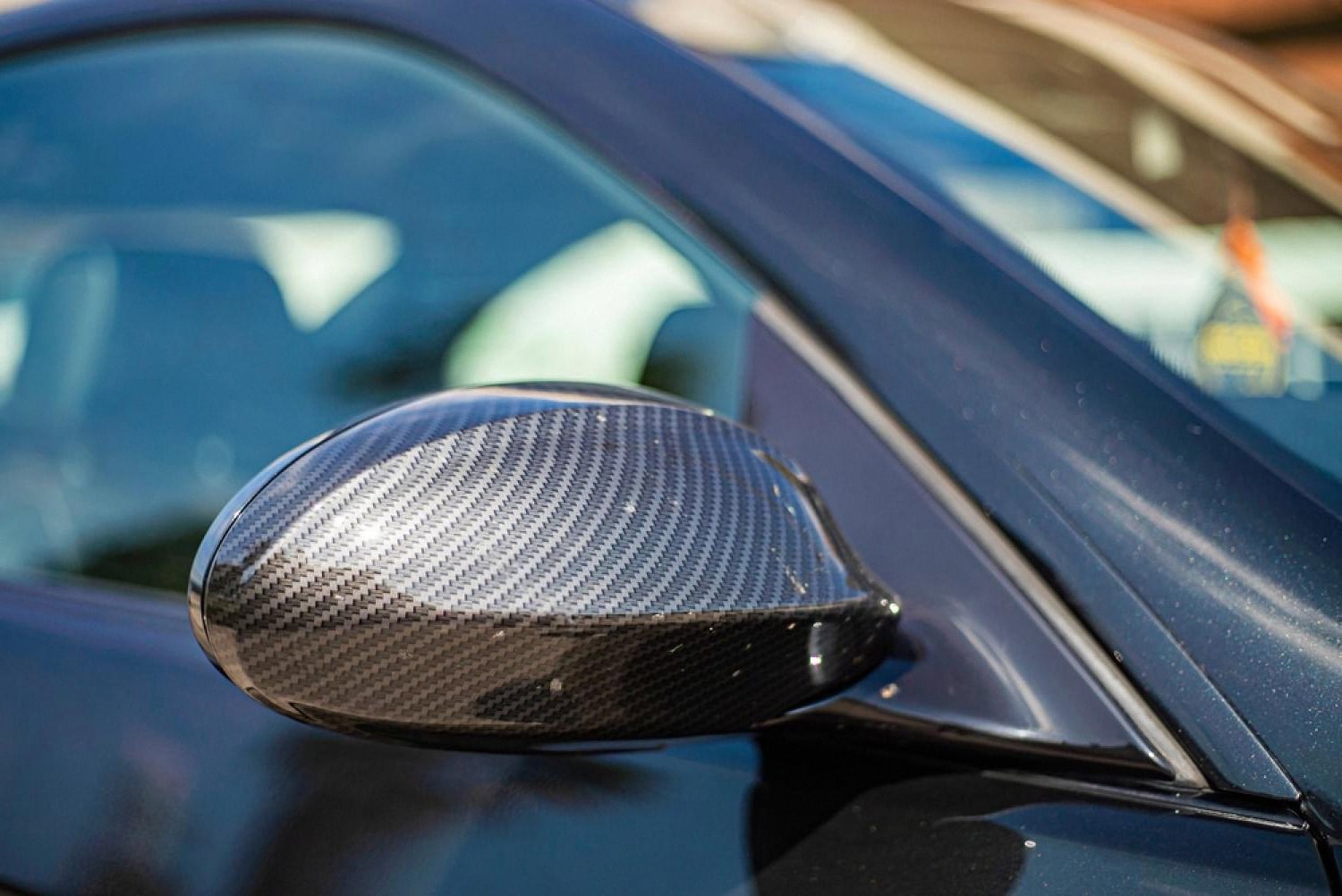
Most owners of premium or dark cars in the UAE end up combining both: PPF on high-impact panels like the bonnet, front bumper and mirrors, and ceramic over the whole car.
Do I need paint protection on a new car or can I wait?
Sooner is better. Coating a car within the first few weeks means the surface is still at factory condition, with no embedded contamination or sun damage to correct first. Waiting 6 to 12 months usually means paying extra for paint correction before any coating can go on.
Does colour really change how fast paint degrades here?
Yes. Black and dark metallic panels can sit 20 to 30°C hotter in the sun than white or silver panels, which accelerates thermal cracking and clear coat failure. Red pigments are also particularly sensitive to UV and fade faster than blues or greens.
Can I just use a car cover instead of a coating?
A cover helps only if the car is genuinely stationary for long periods and the cover is soft, breathable and clean. In practice, most UAE owners drive daily, and putting a cover on a dusty car traps sand between the fabric and the paint, which causes fine scratches every time the wind moves it.
How often should I wash my car in the UAE?
For most drivers, once a week is a good baseline, with an extra rinse after any sandstorm or coastal humidity event. If the car has a ceramic coating, contact washing can drop to every two weeks because dust rinses off more easily, but decontamination every 6 months is still recommended to remove salt and iron particles.
Are electric vehicles more vulnerable to paint damage?
Somewhat. Several EV manufacturers use thinner, water-based paint systems to save weight and reduce emissions in production, which leaves less clear coat to absorb UV and abrasion. Coating an EV early in its life is a smart, low-cost decision in a climate like the UAE.
Recent Comments